Retail chain VRF installations
Specialized HVAC execution for healthcare facilities ensuring safety, hygiene, and precision control.
Introduction
Retail environments demand HVAC systems that are flexible, energy-efficient, and capable of maintaining consistent comfort across multiple store formats and locations. Variable Refrigerant Flow (VRF) systems have emerged as a preferred solution for retail chains due to their zoning flexibility, scalability, and ease of installation. VRF installations enable brands to standardize comfort while optimizing operational costs across outlets.
VRF installations for retail chains typically involve deploying multiple outdoor units connected to a network of indoor units across stores such as showrooms, malls, high-street outlets, and flagship locations. The goal is to deliver uniform thermal comfort, enhance customer experience, and ensure energy-efficient operations across all sites.
Why VRF for Retail Chains?
- Zoning Flexibility
Different sections like display areas, trial rooms, billing counters, and storage zones can be conditioned independently - Energy Efficiency
Inverter-driven compressors adjust capacity based on real-time load, reducing electricity consumption - Compact & Aesthetic Design
Minimal ducting and sleek indoor units blend seamlessly with store interiors - Scalability Across Multiple Locations
Easy replication of HVAC design standards across multiple outlets - Quick Installation & Retrofit Friendly
Ideal for both new stores and existing retail spaces
- Zoning Flexibility
VRF System Design Considerations :
1. Load Calculation & Diversity
Accurate cooling load assessment considering lighting, occupancy, glass façade heat gain, and equipment.
2. Refrigerant Piping Optimization
Efficient piping layout to minimize losses and ensure consistent performance across indoor units.
3. Indoor Unit Selection
Cassette, ducted, or wall-mounted units selected based on store layout and design aesthetics.
4. Ventilation Integration
Fresh air systems or treated fresh air units (TFA/FAHU) to maintain indoor air quality.
5. Electrical & Power Planning
Proper load distribution and backup systems to ensure uninterrupted operation.

Installation Scope
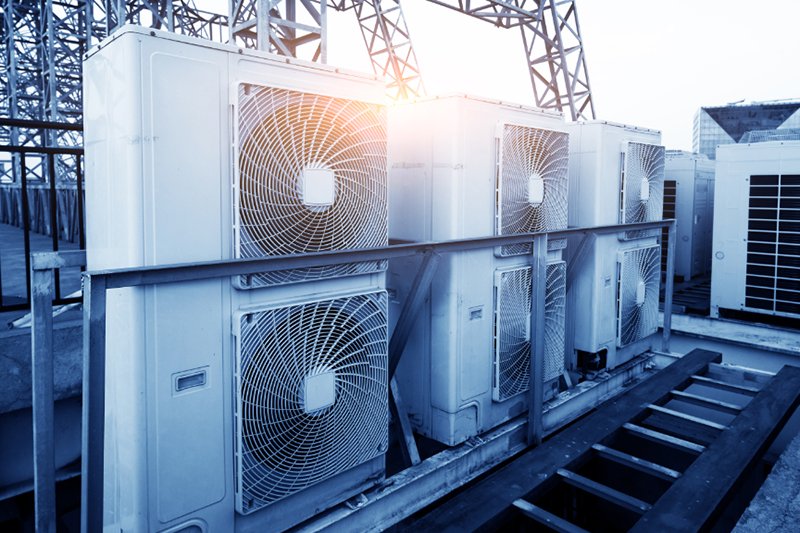
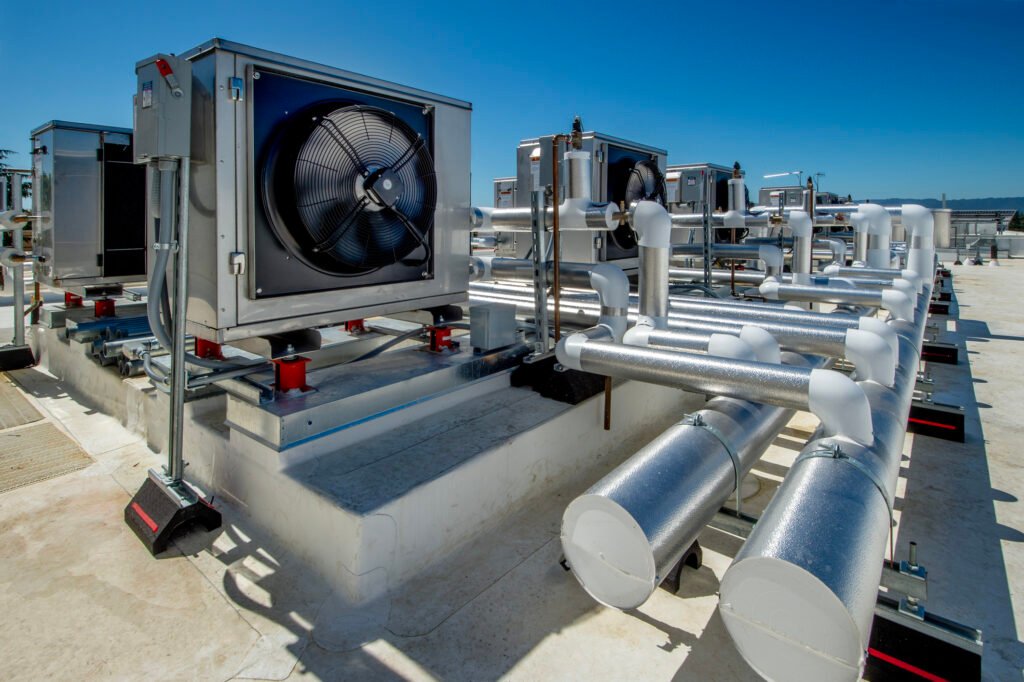
- VRF outdoor unit placement (terrace / service areas)
- Indoor unit installation across retail zones
- Refrigerant piping and insulation
- Drain piping and condensate management
- Electrical connections and control wiring
- Centralized controller / remote controls setup
Conclusion
VRF installations for retail chains offer a perfect balance of efficiency, flexibility, and performance. By enabling precise temperature control, easy scalability, and energy savings, VRF systems support retail businesses in delivering a superior in-store experience while optimizing operational costs.